
Skip to content

Obby: Three Challenges

Obby: Three Challenges
Fullscreen

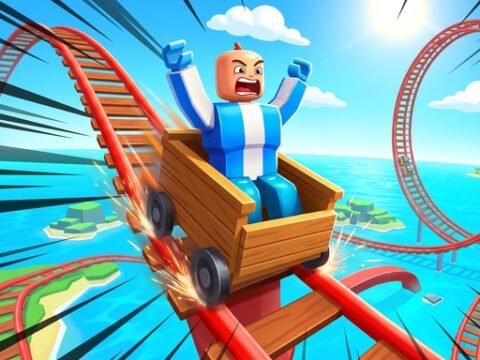
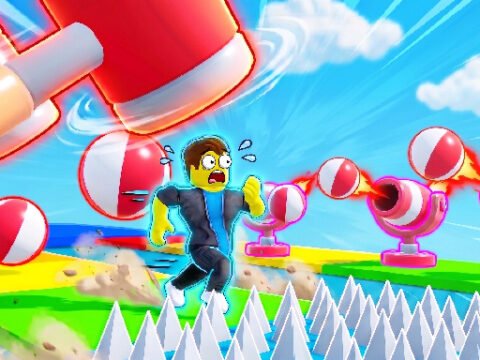
Obby: Three Challenges is a 3D platformer split cleanly into three difficulty tiers — Easy, Medium, and the bluntly-named Impossible — and it means what it says at each level. Easy teaches you the movement and camera. Medium introduces smarter, faster obstacles that punish the sloppy habits Easy let you get away with. Impossible is exactly what it sounds like: everything the first two levels taught you, thrown at once.

The movement toolkit is deeper than most browser platformers bother with — a double jump, a sprint ability, and full camera control via mouse-look rather than a fixed angle. That control depth is what makes the escalation fair rather than just punishing: spinning blades, deadly drops, and precision gaps are survivable specifically because you have the tools to react to them, provided you’ve actually learned to use double jumps and sprint timing rather than just walking and hoping.

Built with responsive controls and clear particle and sound feedback on every action, it’s designed to make failure feel like information rather than randomness — when you fall, you generally know exactly why, which is the mark of a platformer with fair level design underneath its difficulty.

How to play Obby: Three Challenges

Choose a difficulty tier and navigate through obstacles using movement, jumping, and sprinting. Master the double jump and sprint ability early, since later tiers demand precise timing around spinning blades, deadly drops, and tight gaps. Impossible combines everything the earlier tiers teach into one run.

Controls

  • WASD Move
  • Hold right mouse button + move mouse Look around
  • Spacebar Jump / double jump
  • Left Shift Sprint
  • Tab Pause menu
  • Mobile left joystick — move, swipe — look around

Tips

  • Clear Easy properly before jumping to Medium — the movement habits it teaches are load-bearing for everything after
  • Learn to double jump on reaction, not just when you see a gap coming; Impossible doesn't give you time to think first
  • Use sprint deliberately, not constantly — full speed through a section you haven't learned yet just gets you to the trap faster
  • When you die, note exactly what killed you before restarting; most obstacles here are consistent and learnable, not random